Apostille Alone Won't Carry Your Case: The Execution Defects That Stop US Documents at India's Courtroom Door
Photo: Rakoon, Public domain, via Wikimedia Commons
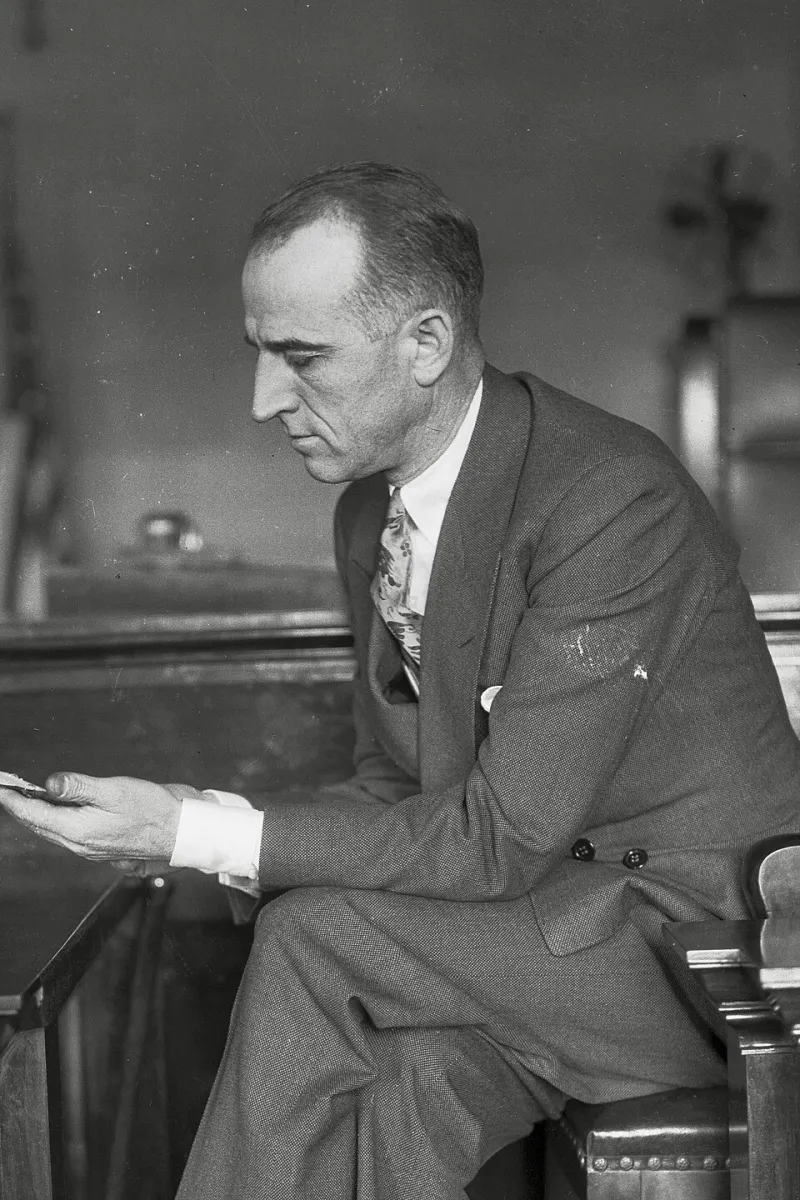
US counsel often treat an apostille as the last box to tick before a document travels to India. The certificate is necessary, but it is not sufficient. India has been a party to the Hague Apostille Convention since 2005, and an apostille issued by the correct US authority will ordinarily replace consular legalization for public documents. What it does not do is validate the underlying transaction, the signer's authority, the form of notarization, the payment of Indian stamp duty, or the accuracy of a translation. Indian courts, banks, registrars, and counterparties look at all of those things. When a document stalls, the apostille is rarely the reason. The defect is usually earlier in the chain.
What the Apostille Actually Certifies
An apostille certifies the authenticity of the signature and seal of a public official, and the capacity in which that official acted. It does not certify that the document is true, that the person who signed for a company had authority, that the notary followed the correct form, or that the instrument satisfies Indian substantive or procedural law. A US corporate officer's signature may be notarized and apostilled, yet the document can still be rejected because the notary used an acknowledgment where a jurat was required, because the board resolution does not identify the signer, or because the power of attorney was never stamped in India.
For US documents, the designated authority is usually the Secretary of State of the state where the document was executed or notarized. Federal documents go through the US Department of State. A common error is obtaining an apostille from the wrong authority or for the wrong document type. Another is assuming one apostille covers a packet of documents. Each notarized signature may need its own certificate, and a document with multiple notaries may need multiple apostilles.
Where US Documents Fail in India
Execution formalities
Indian courts and registries examine whether the document was executed in the form the law requires. A board resolution should be certified by a company secretary or authorized officer, and it should identify the signer, the authority conferred, and any limits. An incumbency certificate or good standing certificate may be requested. For contracts, the signature pages, initials, and any company seal required by the articles of association matter. India's Companies Act 2013 makes a common seal optional, but a company's articles may still require one. If the counterparty or bank expects a seal, a signature alone may invite a query.
Affidavits are particularly vulnerable. The deponent must sign before the notary, the jurat must be complete, the notary's seal and commission details must be present, and the venue should be stated. A notary who signs as a witness rather than administering an oath creates a defect that may not be cured by an apostille. Remote notarization, increasingly common in the United States, may also be questioned by Indian authorities unless the resulting certificate is in an accepted form.
Powers of attorney require similar care. The instrument should identify the principal and the attorney, state the powers precisely, and state the duration or conditions. For a company, the signer's authority should be supported by a board resolution. A broad power to do all acts may be accepted by a bank but challenged by a court or a counterparty when the agent exceeds what the board actually authorized.
Notarization defects
The apostille authenticates the notary's signature, not the quality of the notarial act. Common defects include a missing notary seal, an expired commission, a loose certificate not attached to the document, a missing exhibit stamp, or a notarial certificate that does not match the document. If the notary's name on the apostille does not match the name on the document, the certificate may be rejected. If the document was notarized in one state and apostilled in another, the chain may break.
Stamp duty and registration
This is where many otherwise perfect documents fail. Under the Indian Stamp Act, an instrument executed outside India and brought into India must be stamped within three months of its receipt in India. If it is not stamped, it may be inadmissible in evidence until it is impounded and the duty and penalty are paid. A power of attorney for property or registration may also require registration. The date of receipt matters, so keep courier records, entry stamps, and correspondence. Indian counsel should calculate the duty before the document leaves the United States, not after a court clerk raises an objection.
Translation and local form
Documents in a language other than English may require a certified translation and a translator's affidavit. Some registries require the translation to be notarized. Even English-language documents may need a local-language version for certain state registrations. The format of affidavits, board resolutions, and powers of attorney can also vary by forum. A document that is perfect for a US bank may not match the expectations of an Indian registrar.
The Courtroom Is Not the Only Gate
A document may satisfy a court and still fail at a bank. Banks typically ask for a board resolution, a power of attorney, signature verification, KYC materials, and sometimes an apostille or consular attestation. Vendors rely on apparent authority and may not ask for any of it. Registries focus on stamping and registration. Regulatory filings have their own forms. The practical lesson is to identify every recipient before execution and to build the document set for the strictest gate, not the easiest one.
A Pre-Flight Checklist Before Documents Leave the US
- Identify the intended use and the recipient: court, bank, registry, regulator, or counterparty.
- Confirm the signer's authority with a board resolution, incumbency certificate, and good standing certificate.
- Execute with the correct formalities: personal appearance, jurat, notary seal, and company seal if required.
- Notarize each signature that requires it, and avoid combining parties on one certificate unless local law allows.
- Obtain the apostille from the correct authority, and check that the notary's name and seal match.
- Commission certified translations and a translator's affidavit where needed.
- Calculate Indian stamp duty, plan for stamping within three months of receipt, and identify any registration requirement.
- Keep a chain-of-custody record: courier receipts, date of receipt in India, and copies of every version.
- Consider consular legalization only if a recipient requests it or the document falls outside the apostille framework.
- Prepare a document index and a short authority memo that explains who signed, why, and under what power.
Timing and the Record
Dates decide cases. The date of notarization, the date of apostille, the date the document entered India, the date of stamping, and the date of filing can each be examined. A power of attorney that was valid when signed may be stale by the time of trial. Some courts expect the original, not a scan. A document that has been apostilled but not stamped may be held inadmissible until the defect is cured. The fix is usually possible, but it costs time and credibility.
An apostille is a passport, not a visa. It gets the document to the border. Indian law still decides whether the document may enter the courtroom. US counsel should treat authentication as one step in a longer execution and compliance chain, and should involve Indian counsel before the first signature, not after the first rejection.