The Signature That Binds: Rethinking Power of Attorney Authority in Indian Subsidiaries

Photo: Ministry of Corporate Affairs, GODL-India, via Wikimedia Commons
A US parent company usually thinks it controls its Indian subsidiary through shareholding, board seats, and a power of attorney. The first two are governance. The third is agency. When the parent gives a local director or manager a broad power of attorney, it may be handing over the ability to bind the subsidiary in transactions the parent never sees. The gap between what the parent intended and what the instrument says is where liability lives.
The Agency Law Underneath the PoA
Indian agency law is codified in the Indian Contract Act 1872. An agent acts on behalf of a principal, and the principal is bound by acts within the agent's authority. Authority can be actual or ostensible. Actual authority is what the principal has expressly or impliedly conferred. Ostensible authority is what a third party reasonably believes the agent has, based on the principal's conduct. A company that allows a person to sign contracts, deal with banks, or hold itself out as authorized may be bound even if the internal board resolution says otherwise.
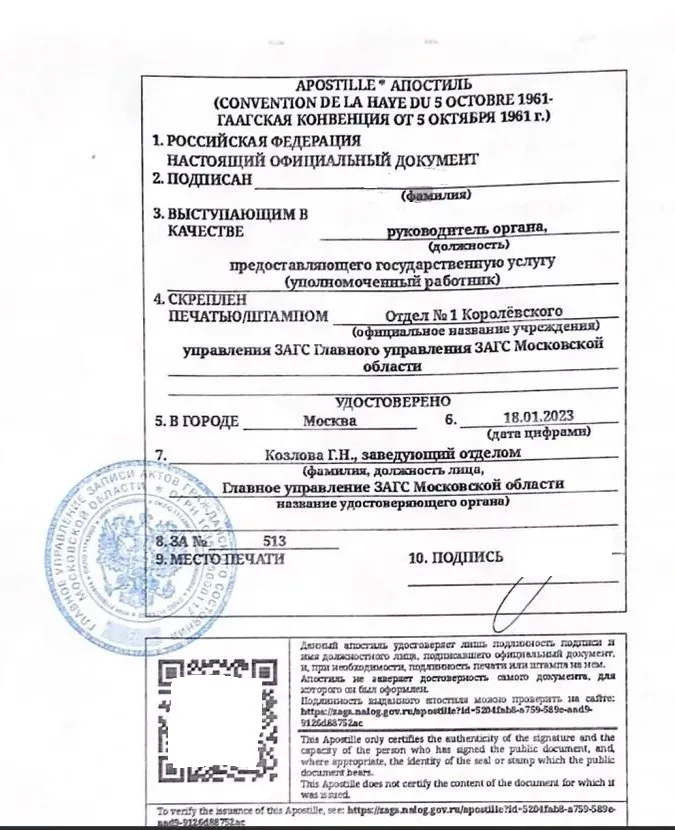
Company law adds another layer. The board of directors manages the company, and it may delegate powers to a director, manager, or committee. A power of attorney should be executed by a person authorized by the board, and the board resolution should identify the attorney, the powers, and any limits. If the articles of association require a common seal, the execution formalities matter. If the document is executed outside India, apostille and Indian stamping may be required before a bank or registrar will accept it.
Where the Authority Gap Opens
The omnibus power of attorney
A power of attorney that authorizes the attorney to do all acts, sign all documents, and represent the company before all authorities is easy to draft and hard to control. Banks may accept it. Vendors may rely on it. Courts may examine it closely. The problem is that the parent's internal limits are not visible to the third party. If the attorney borrows money, sells an asset, pledges shares, or signs a guarantee, the subsidiary may be bound, and the parent may discover the transaction only at the audit.
The local signatory without a board record
A common pattern is a local manager who signs for the subsidiary because the bank has a signature card or because the vendor has dealt with that person for years. If the board resolution is stale, missing, or limited, the company may still be bound by apparent authority. The third party does not need to see the board minutes; it needs a reasonable belief that the signer was authorized. The company's own conduct, letterhead, email domain, and past payments can create that belief.
Informal delegation
Email instructions, WhatsApp messages, and verbal approvals are not a governance system. They may create authority, or at least the appearance of it. When a local employee acts on an informal instruction and the counterparty relies on it, the company may be bound. The absence of a written record makes the dispute harder, not easier, because the company cannot show the limits it intended to impose.
PoA misuse and excess authority
The most serious cases involve an attorney who acts beyond the instrument: signing personal guarantees, transferring funds to related parties, pledging shares, or entering contracts with entities connected to the attorney. The parent may have a claim against the attorney for breach of fiduciary duty, and criminal remedies may be available for forgery or cheating, but recovery is never certain. Prevention is cheaper than litigation.
What Banks, Vendors, and Courts Actually Check
Banks usually ask for a board resolution, the power of attorney, signature verification, KYC documents, and an authorized signatory list. They may also require an apostille and evidence of Indian stamping. Vendors often ask for much less. They rely on the company's letterhead, the signer's title, and the course of dealing. Courts examine the power of attorney for authentication, stamping, and specific authority. A power of attorney for litigation must be properly executed, and a power to compromise a claim usually needs to be specific. A broad power to act in all matters may not be enough to settle a case.
Drafting Safeguards That Actually Work
Start with specificity. Enumerate the transactions the attorney may handle, set monetary caps, state the duration, and include an expiry date. Require dual signatures above a threshold. Prohibit the attorney from entering related-party transactions, granting guarantees, or disposing of assets without a separate board resolution. Include a revocation clause and a requirement to return originals on termination.
The board resolution should do more than name the attorney. It should recite the powers, the limits, the reporting requirements, and the consequences of exceeding authority. It should be adopted by the board, not by a single officer, and it should be kept with the corporate records. If the subsidiary has foreign shareholders, the resolution should be consistent with the shareholders' agreement and the articles.
Execution formalities matter. The signer should be authorized by the board. The document should be notarized and apostilled if executed outside India. It should be stamped in India within the statutory period, and registered if the transaction requires it. A power of attorney that is valid in form but unstamped may be rejected by a bank or a registrar.
Monitoring and Revocation
A power of attorney is not a set-and-forget document. Keep a register of all powers of attorney, including the attorney, the powers, the date, the expiry, and the status. Review the register annually. Require the attorney to report material transactions. Confirm with banks that the authorized signatory list is current. When an attorney leaves, revoke the power in writing, notify banks and counterparties, update signature cards, and collect the original. A revocation that is not communicated may not protect the company against a third party who relied on the old instrument.
The Governance Fix
A power of attorney should sit inside an authority matrix, not replace it. The matrix should allocate decision rights by transaction type and value, identify who may sign, and require board approval for reserved matters. Contracts with vendors and banks should require proof of authority and should include representations that the signer is authorized. The parent should not rely on a single local signatory for all matters. Board composition, quorum, and reserved matters in the articles or shareholders' agreement are stronger controls than a broad PoA.
A signature binds when the law says it binds, not when the parent intended it to. The US parent that treats a power of attorney as a governance document will eventually find that it has delegated more than it planned. The parent that treats it as a limited agency instrument, supported by board resolutions, specific powers, and monitoring, keeps control where it belongs.